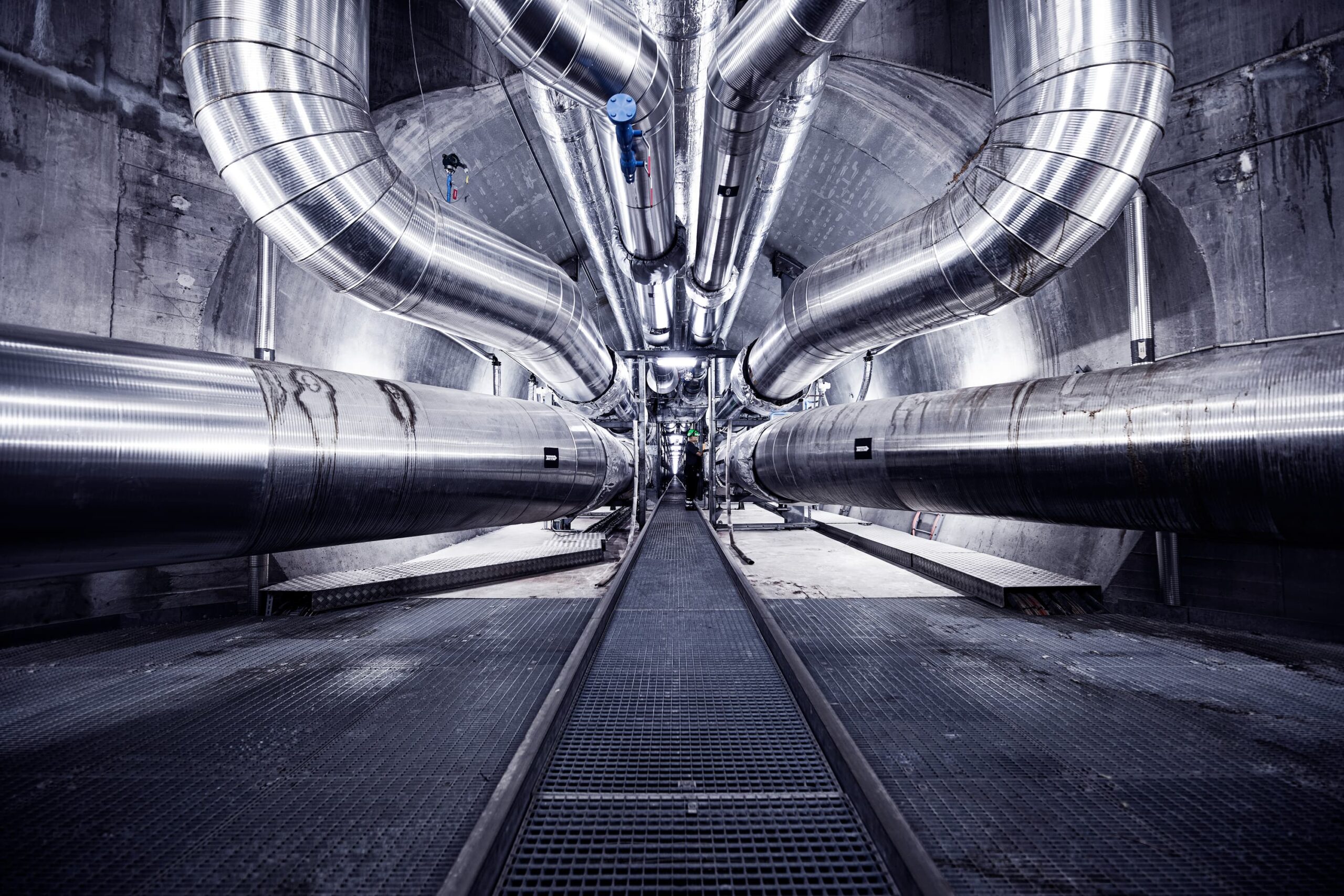
District heating at its core
The way we produce and distribute heat is essential to societal sustainability and welfare. District heating is resilient. Its use dates back over 100 years ago. Even so, its many advantages have perhaps never been more pressing to utilise.
Read the news
Time to bring heat home
The following perspective is a foreword from the white paper "District energy - The backbone of a flexible, resilient and efficient energy system" by Managing Director of Euroheat & Power, Aurélie Beauvais.
Read the news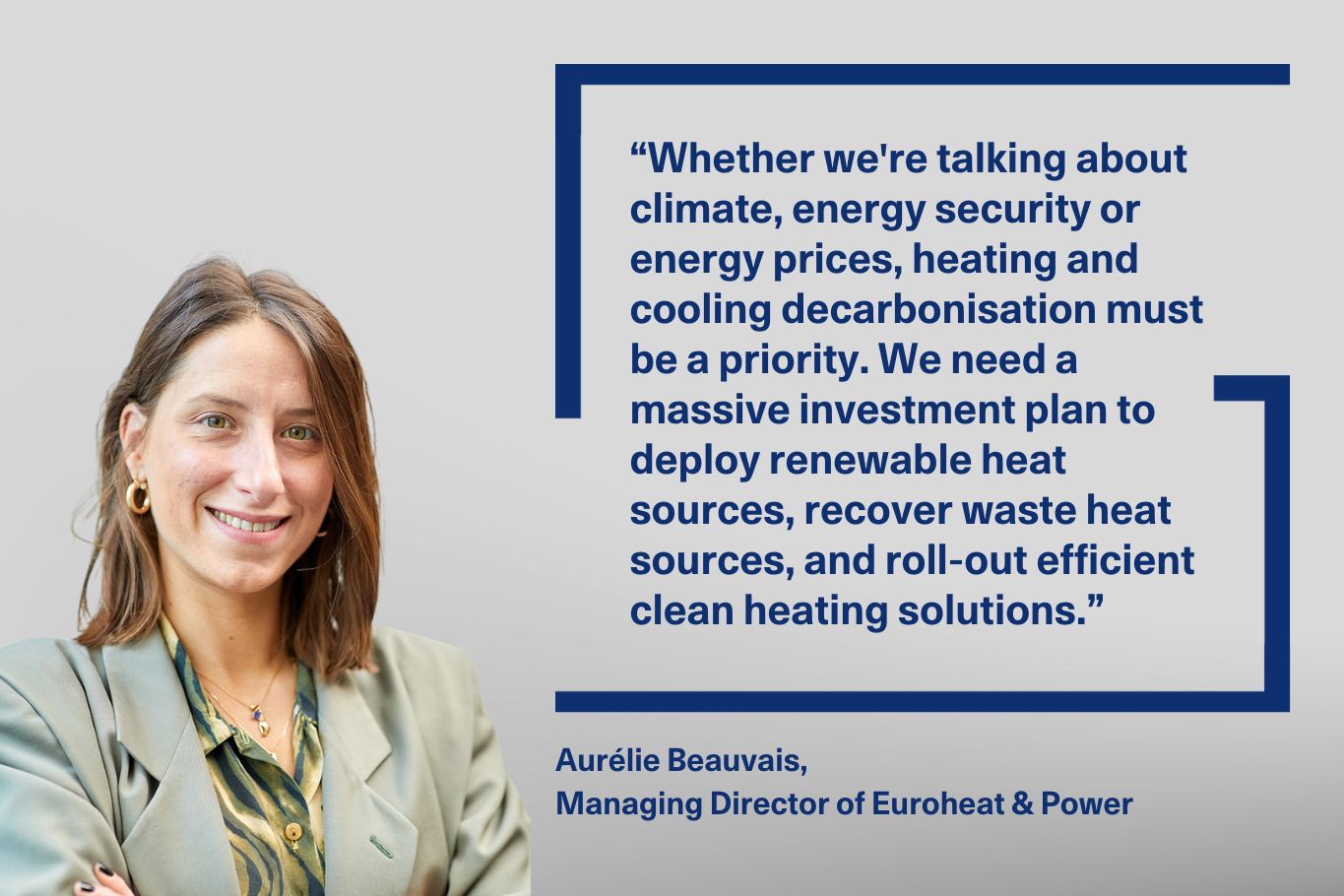
Explore district energy
Creation date: Latest first
Combined heat and power production
District cooling
District energy
District heating
Heat pumps
Surplus heat from industry
Waste-to-energy



Solution
Combined heat and power production
+6
District heating – the heart of an integrated energy system
17 March 2026Decarbonising heating is one of the key challenges in the green transition. Heating buildings traditionally relies heavily on fossil fuels, contributing significantly to CO₂ emissions.
At the same time, increasing shares of renewable electricity from wind and solar create a need for flexible energy