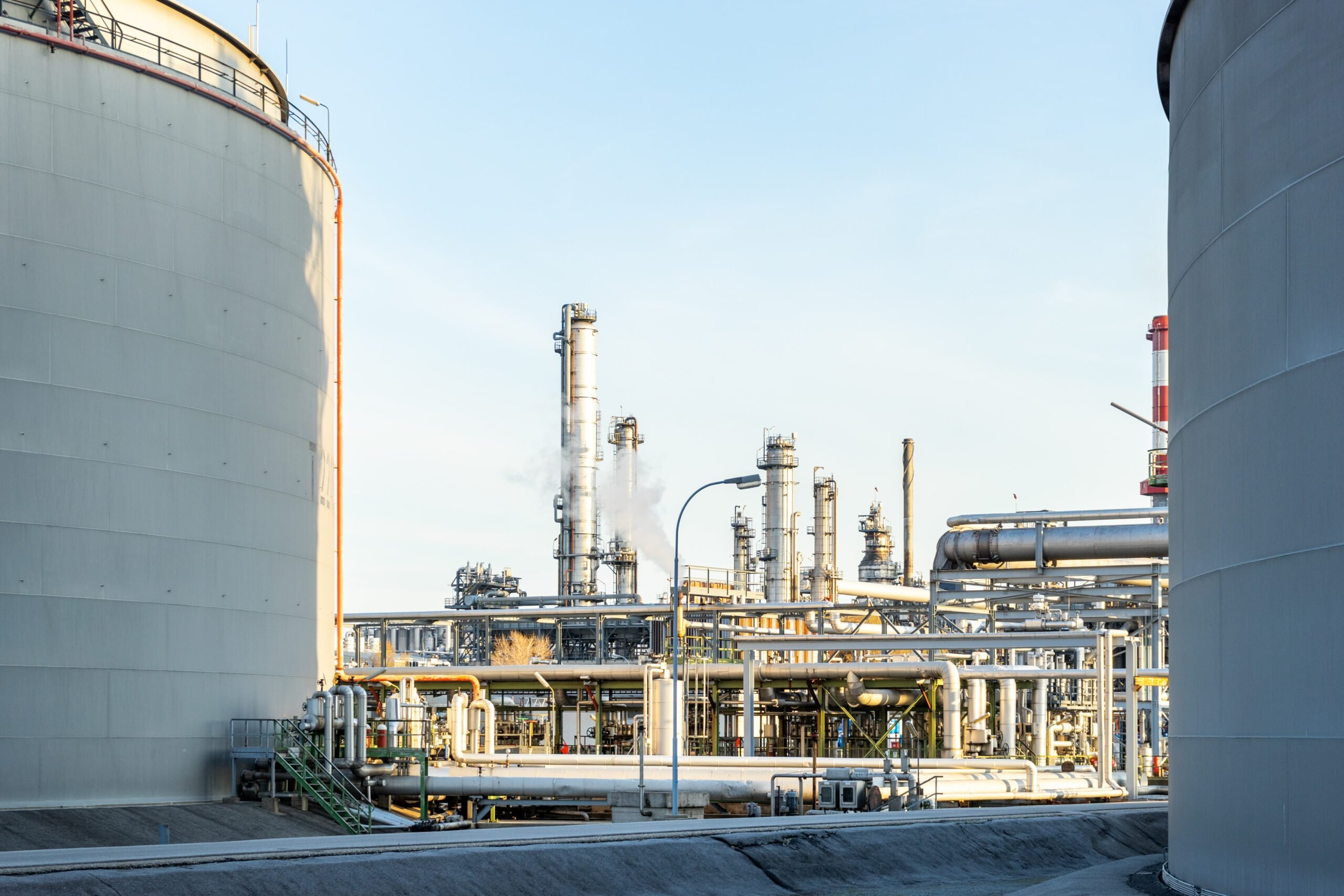
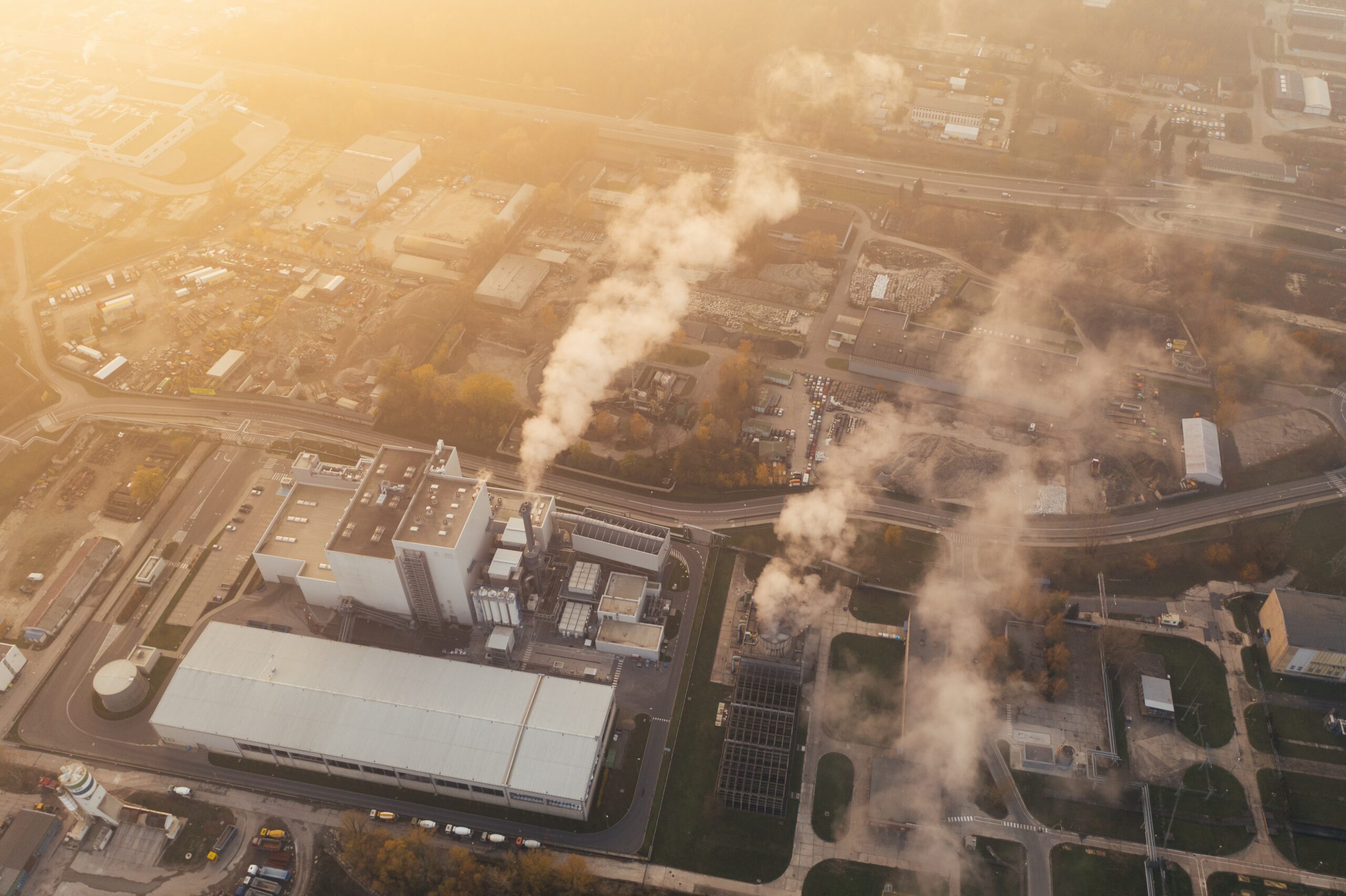
Traditionally, the transportation sector has been almost entirely dependent on fossil fuels (oil). As transportation is a major contributor to energy consumption and CO2 emissions , it is important to develop alternative, renewable fuel sources. Biofuels, such as bioethanol, may replace a significant part of the oil-based fuels.
Biofuel technology can be divided into several categories. Most notably:
First generation biofuels
Biofuels made from suger, starch, vegetable oil or animal fat; raw materials that could instead be used for food for animals or humans. The technology for producing first generation biofuels is already well developed.
Second generation biofuels
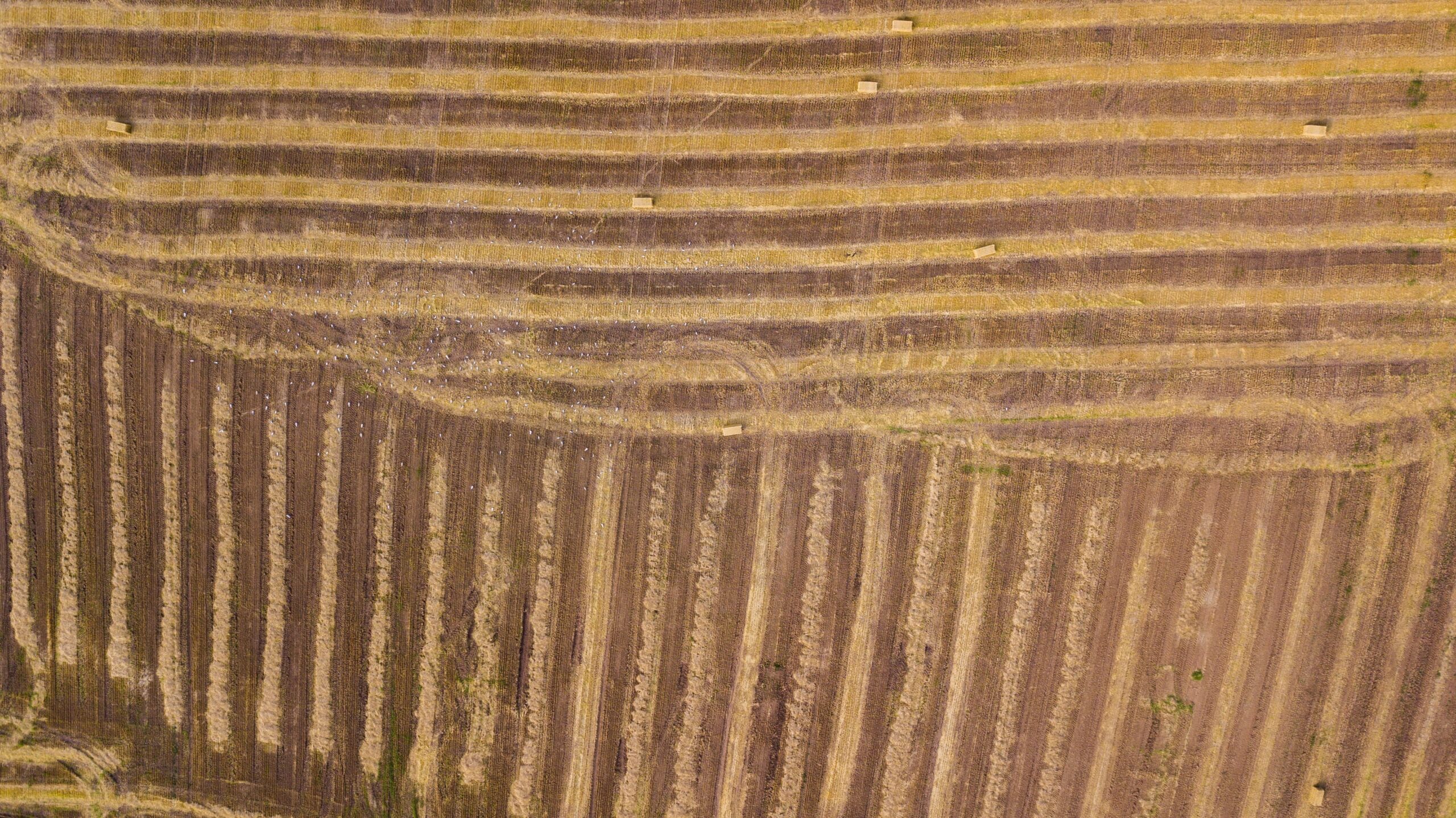
Biofuels produced from non-food raw materials, for example by producing ethanol from the cellulose content of wheat stalks, wood or other inedible waste products. This does not remove food from the animal or human food-chain. However, there are some technical challenges involved - such as developing processes for breaking down cellulose into sugar. Several Danish demonstration projects are working on solving these challenges.
Third generation biofuels
Also called Algae Fuel; third generation biofuels are produced from algae. This technology is still in the experimental stage; with several projects working to determine the feasibility of exploiting the potential of marine biomass as an alternative fuel source.
Bioethanol in Denmark
Denmark has a leading position in the development of second generation (cellulosic) bioethanol, with companies, universities and public authorities working together to develop this technology. The cellulosic ethanol may be produced using straw, wood or agricultural waste; raw materials which, in Denmark, are readily available as waste products. Furthermore, the production of second generation bioethanol may result in valuable byproducts that can be used for example for animal feed and solid fuels .
Turning organic waste into energy Biomass – be it solid, liquid or gaseous – is the only renewable energy resource to replace fossil fuels directly. For decades, Denmark has utilised biomass to produce energy. Agricultural residue, wood waste and...
Read on about BioenergyDuring the summer of 2011 1st Mile has ensured project funding and partner setup worth more than EUR 13 mill.
Read on about 1st Mile behind another fiv...Novozymes joins the consortium behind Maabjerg Energy Concept and takes a place on its board. The consortium will use Novozymes’ biotech expertise to design a new bioenergy production plant, generating biogas, advanced bioethanol, electricity and ...
Read on about New Partnership to Develop ...On 4th - 6th June 2012, the UNCSD will take place in Rio de Janeiro. Also referred to as the Rio+20 or the Earth Summit 2012 due to the initial conference held in Rio in 1992, the objectives of the Summit are: to secure renewed political commitmen...
Read on about Earth Summit 2012The internationally leading Novo Nordisk Foundation Center for Biosustainability at the Technical University of Denmark (DTU) and DONG Energy have entered into a new, groundbreaking research collaboration.

Read on about New Research Collaboration ...SAS is the official partner for the Danish Presidency of EU
Read on about SAS is the partner of EU201...