Focus areas









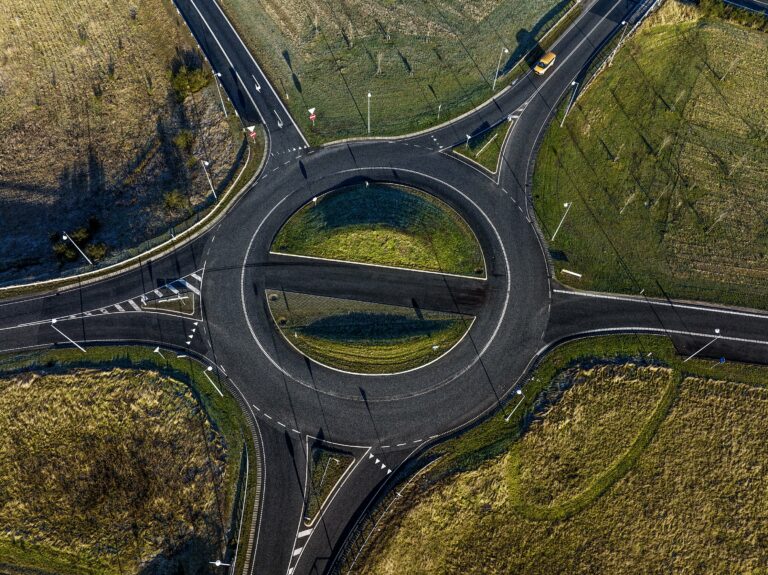

From challenge to opportunity
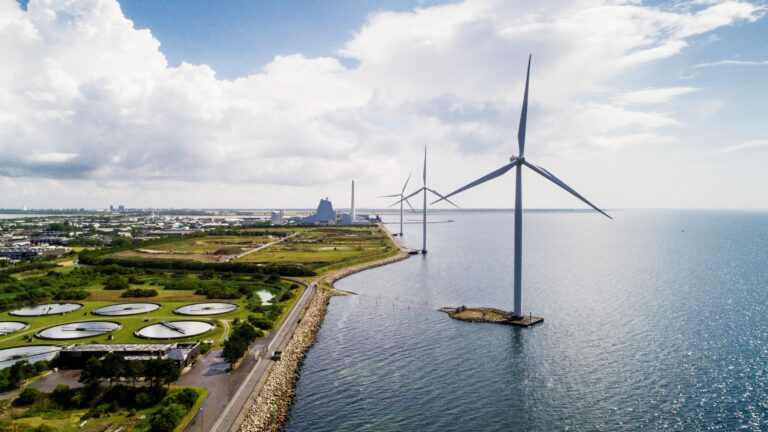
By leveraging clean energy solutions, efficient resource management and public-private partnerships, Denmark aspires to accelerate just and equitable net-zero pathways.
As a not-for-profit, public-private partnership, State of Green connects international partners with Danish companies, changemakers, agencies, experts, and researchers to accelerate the global transition towards a sustainable, net-zero future.
Green transition as a catalyst to improve security of supply
In a world where the geopolitical landscape is changing, the need to ensure the long-term resilience of energy and water supply is of crucial importance. Discover tangible cases and connect with solution providers specialising in energy security and water resilience.
Discover insights, cases and solution providers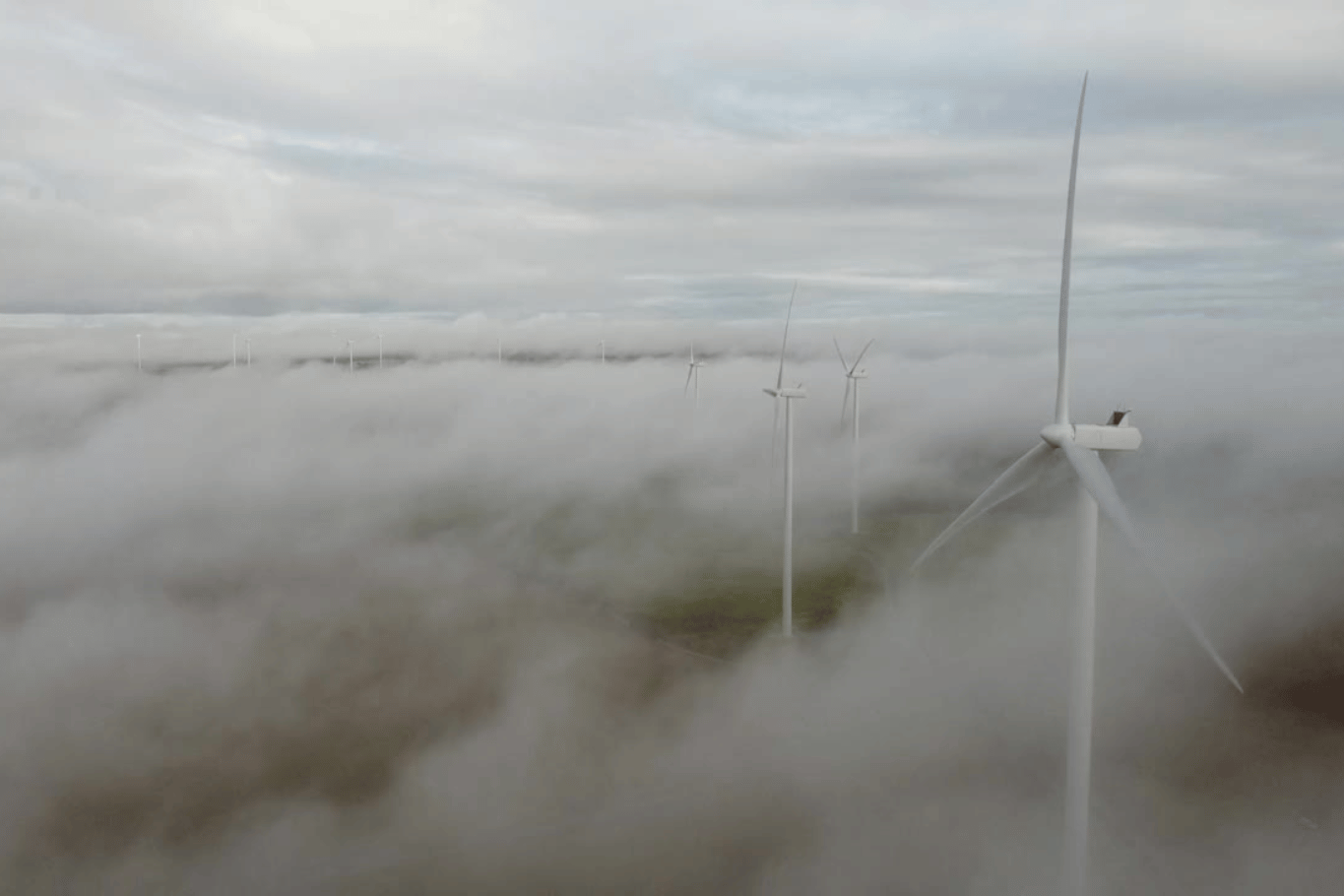
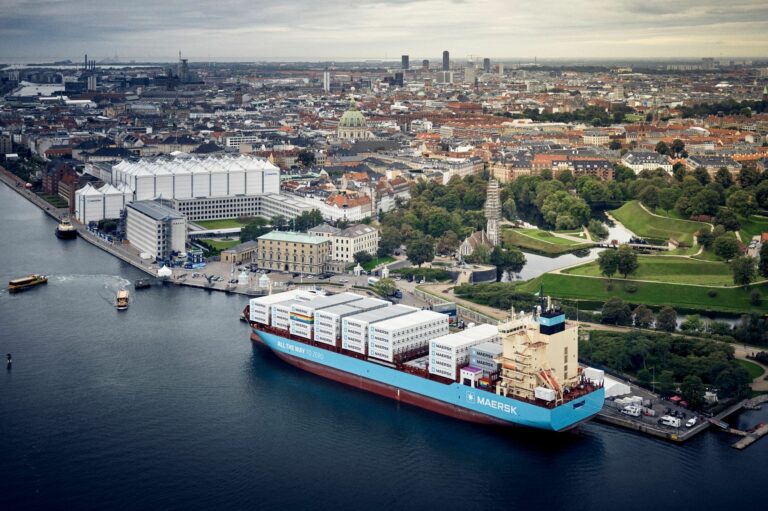
The competitive advantage of green supply chains
Globally there’s increasing emphasis on the industrial sector’s role in driving down emissions and resource consumption across value chains. Discover tangible cases and connect with solution providers that has turned green supply chains into a business advantage.
Discover insights, cases and solution providers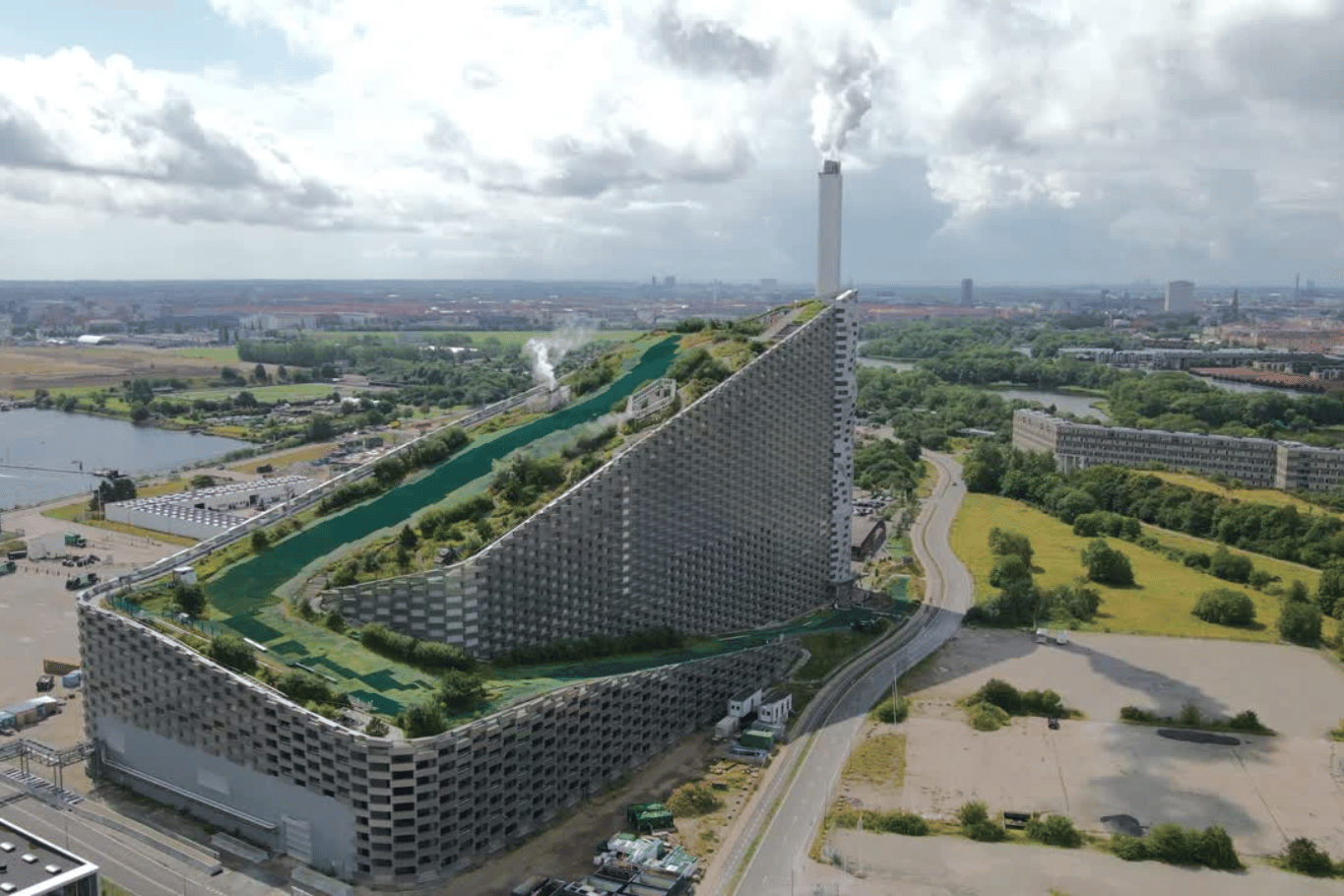
Discover publications across key areas and industries
Download our white papers and magazines with valuable insights into methods, tools and state-of-the art solutions across different green sectors in Denmark and around the world.
Explore the publications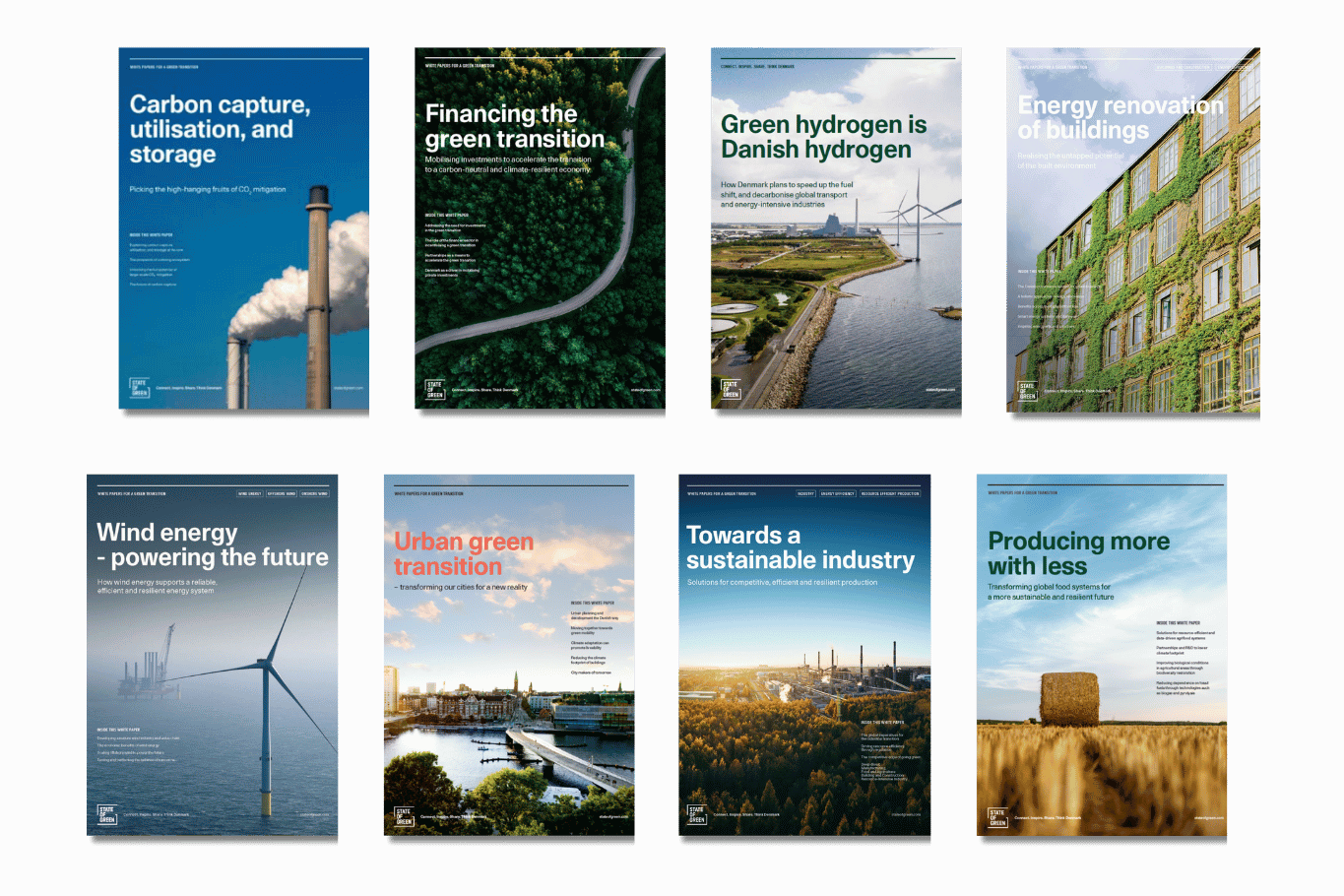
We match your challenges with sustainable solutions
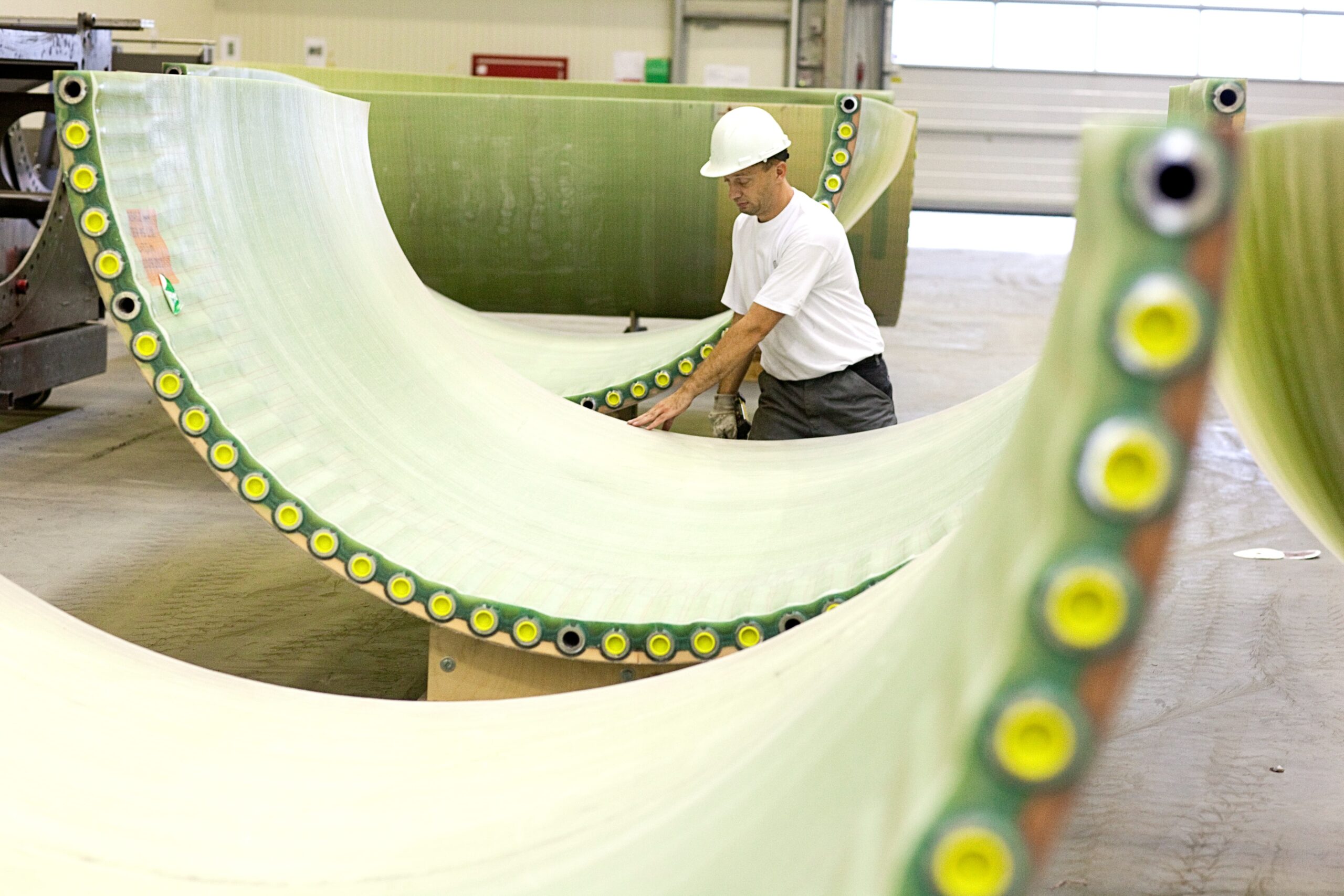
Explore +1600 solutions
Find inspiration to solve your green challenge among more than 1600 featured solutions, R&D projects and policy initiatives provided by our solution providers.
Explore solutions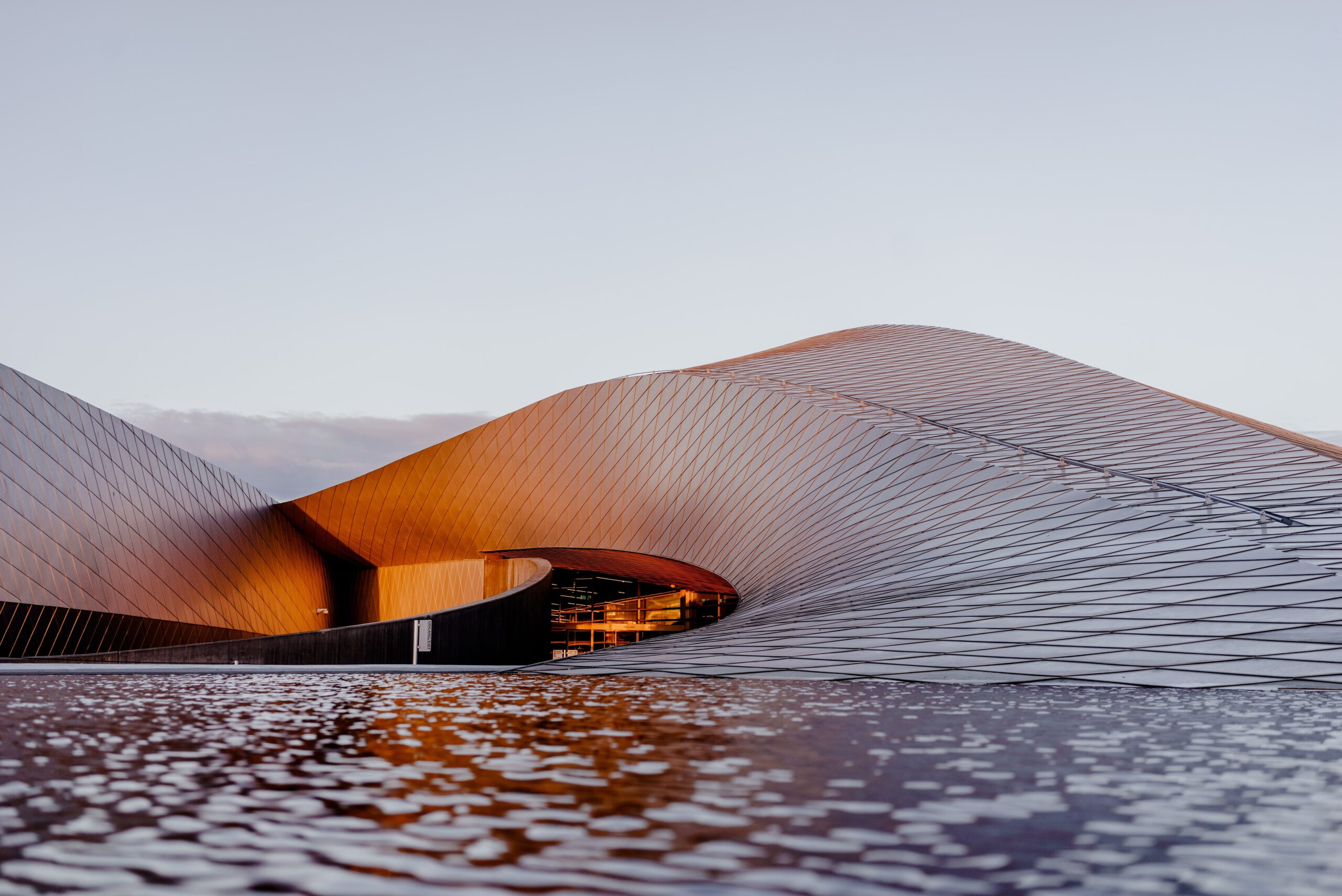
Find your future solution provider
Connect with +600 organisations, companies, utilities, research institutions, financial institutions and public sector stakeholders to help solve your challenge.
Find your solution providerYou should consider reading
Partner news
Electricity grid
+7